Camping Gear
Camping Safety Gear: What to Pack for Car Camping, Backpacking and Overlanding
Camping safety gear does three things: it treats injuries, calls for help and stops small problems from growing. Car campers need a group first-aid kit such as the Adventure Medical Kits Mountain Series Explorer. Backpackers need a light kit and a satellite messenger such as the Garmin inReach Mini 2. Overlanders add recovery gear such as MAXTRAX MKII boards.
On this page10 sections
Most camping injuries are ordinary: burns from the grill, cuts from a kitchen knife, blisters and twisted ankles. A sensible kit and a few habits around fire cover nearly all of them. The gear below is what turns a spoiled afternoon back into dinner, and what gets help to you when the problem is bigger than that.
The camp cooking safety rules
These matter more than anything you can buy.
- Never cook or heat inside a tent, camper or vehicle. Stoves, grills, lanterns and heaters that burn fuel produce carbon monoxide. The US Consumer Product Safety Commission warns against using them in enclosed spaces, and against ever burning charcoal inside a tent, camper, van or car. The risk is higher at altitude.
- Know the symptoms. Carbon monoxide poisoning causes headache, dizziness, weakness, nausea and sleepiness, and is easily mistaken for a cold or flu. Get to fresh air first, then call 911.
- Let charcoal go cold before you move it. Coals that look dead can still give off carbon monoxide and can relight. Douse them with water and stir.
- Keep water or an extinguisher beside the cooking area. For grease fires, cover the pan or use a fire extinguisher rated for class B fires. Do not throw water on burning grease.
- Check the fire restrictions before you leave. A ban on charcoal and wood fires often still allows propane with a shutoff valve. See the best propane camping grills.
The best camping safety gear at a glance
- Rank 1
Best Group First-Aid Kit
Adventure Medical Kits Mountain Series Explorer
- Camping style
- Car camping
- Key figure
- 1 to 4 people, up to 7 days
- Weight
- 1.4 lb
- Rank 2
Best Carbon Monoxide Alarm
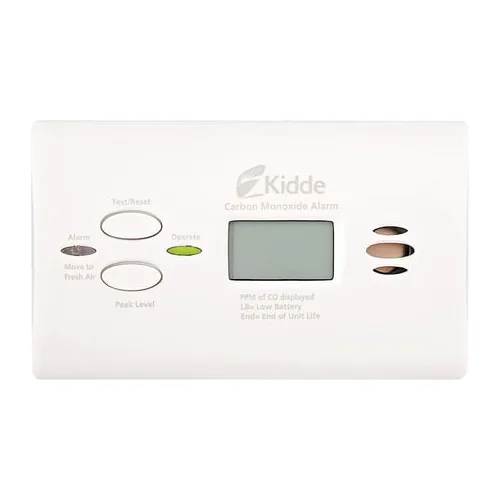
Kidde KN-COPP-B-LPM
- Camping style
- Car camping
- Key figure
- Digital readout, 85 dB alarm
- Weight
- 0.66 lb
- Rank 3
Best Light First-Aid Kit
Adventure Medical Kits Ultralight/Watertight .7
- Camping style
- Backpacking
- Key figure
- 1 to 2 people, up to 4 days
- Weight
- About 6 oz
- Rank 4
Best Satellite Messenger
Garmin inReach Mini 2
- Camping style
- Backpacking
- Key figure
- Two-way text and SOS
- Weight
- 3.5 oz
- Rank 5
Best Recovery Boards
MAXTRAX MKII
- Camping style
- Overlanding
- Key figure
- Sold as a pair
- Weight
- 7.5 lb each
- Rank 6
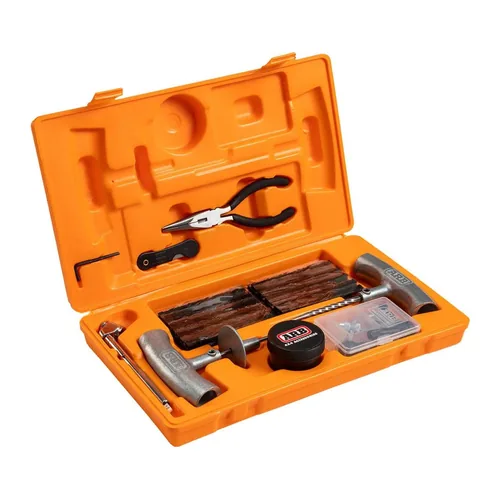
Best Tire Repair Kit
ARB Speedy Seal Series II
- Camping style
- Overlanding
- Key figure
- 40 repair cords
- Weight
- Not published
See every spec in one table6 rows
| Category | Model | Camping style | Key figure | Weight | Approx. Price | Check Price |
|---|---|---|---|---|---|---|
| Best Group First-Aid Kit | Adventure Medical Kits Mountain Series Explorer | Car camping | 1 to 4 people, up to 7 days | 1.4 lb | ~$70 to $87 | View on Amazon |
| Best Carbon Monoxide Alarm | Kidde KN-COPP-B-LPM | Car camping | Digital readout, 85 dB alarm | 0.66 lb | ~$30 to $40 | View on Amazon |
| Best Light First-Aid Kit | Adventure Medical Kits Ultralight/Watertight .7 | Backpacking | 1 to 2 people, up to 4 days | About 6 oz | ~$34 to $45 | View on Amazon |
| Best Satellite Messenger | Garmin inReach Mini 2 | Backpacking | Two-way text and SOS | 3.5 oz | ~$400 | View on Amazon |
| Best Recovery Boards | MAXTRAX MKII | Overlanding | Sold as a pair | 7.5 lb each | ~$270 | View on Amazon |
| Best Tire Repair Kit | ARB Speedy Seal Series II | Overlanding | 40 repair cords | Not published | ~$50 | View on Amazon |
1. Adventure Medical Kits Mountain Series Explorer: best group first-aid kit
- Rated for: 1 to 4 people on trips of 1 to 7 days
- Weight: 1.4 pounds
- Size: 8.5 by 4 by 6.5 inches
- Includes: trauma pad, wound-closure strips, irrigation tool, shears, forceps, moleskin, common medications and a wilderness medicine guide
This kit is organized by injury, so you can find the burn and blister supplies without emptying the bag. It covers a family for a week and lives happily in the camp kitchen box, which is where most camp injuries happen anyway.
The catch: it is rated for four people at most, and it is too bulky to carry on a hike. The medications are single doses, so restock what you use. Prices vary between retailers.
The Verdict: Buy the Mountain Series Explorer if you want one organized kit for a car camping family.
2. Kidde KN-COPP-B-LPM: best carbon monoxide alarm
- Power: three AA batteries
- Display: carbon monoxide level from 30 to 999 parts per million, with a peak-level memory
- Alarm: 85 decibels at 10 feet
- Size and weight: 4.5 by 2.75 by 1.5 inches, 0.66 pounds
- Operating range: 40°F to 100°F
If you sleep in a camper, a van, a cabin or a rooftop tent near a running engine or heater, a battery alarm is cheap protection. This one shows the actual level on a display, so you can see a problem building before the alarm sounds.
The catch: it is a household alarm, not one made for camping. Kidde rates it for 40°F to 100°F, so it is outside its range on cold nights, which is when heaters get used. It does not make it safe to run a stove or heater inside.
The Verdict: Buy the Kidde KN-COPP-B-LPM if anyone in your group sleeps in an enclosed space.
3. Adventure Medical Kits Ultralight/Watertight .7: best light first-aid kit
- Rated for: 1 to 2 people on trips of 1 to 4 days
- Weight: about 6 ounces by the maker's figures
- Waterproofing: an outer bag with a waterproof inner liner
The .7 holds the supplies a hiker actually uses, mainly blister care, wound dressings and pain relief, in a pouch that stays dry in a wet pack. It is a sound base to add your own medications to.
The catch: it covers two people for a long weekend and no more. Listings give different weights and group sizes for different versions, so check the listing if every ounce matters to you.
The Verdict: Buy the Ultralight/Watertight .7 if you hike alone or as a pair.
4. Garmin inReach Mini 2: best satellite messenger
- Weight: 3.5 ounces
- Size: about 4 by 2 inches
- Battery: up to 14 days with tracking every 10 minutes
- Functions: two-way text messages and SOS by satellite, with no cell signal needed
- Subscription: required, from about $8 a month, plus an activation fee of about $40
Cell coverage ends well before most trailheads. The inReach Mini 2 sends and receives text messages by satellite and has an SOS button that reaches a 24-hour response center. It clips to a pack strap and pairs with your phone for easier typing.
The catch: it does nothing without a paid plan. Garmin has also released the inReach Mini 3, so the Mini 2 is being cleared and stock varies. If it is sold out, the Garmin inReach Mini 3 replaces it at a list price of about $450.
The Verdict: Buy the Garmin inReach Mini 2 if you travel beyond cell coverage, on foot or in a vehicle.
5. MAXTRAX MKII: best recovery boards
- Sold as: a pair, with two leashes
- Size: about 45 by 13 by 3.5 inches each
- Weight: 7.5 pounds each
- Material: fiber-reinforced nylon
- Warranty: lifetime
Wedge a board under each stuck wheel and the cleats give the tire something to climb. That lets one vehicle free itself from sand, mud or snow without a second vehicle or a winch. The boards also work as a shovel in soft sand.
The catch: they cost far more than budget boards, and the nylon teeth melt if you spin the wheels on them. Drive out slowly. MAXTRAX publishes no weight rating.
The Verdict: Buy MAXTRAX MKII boards if you drive alone on sand, mud or snow.
6. ARB Speedy Seal Series II: best tire repair kit
- Repairs: 40 self-vulcanizing cords
- Tools: steel reamer, insertion needle, pliers, blade and lubricant
- Extras: spare valve cores and caps, and a tire gauge
- Warranty: 3 years
A puncture is the most common breakdown on gravel and rock. This kit plugs a hole in the tread without taking the tire off the rim, which gets you moving again in about 15 minutes.
The catch: it has no inflator, so you also need a 12V air compressor. Plugs are for tread punctures, not sidewall damage, and should be treated as a temporary repair.
The Verdict: Buy the ARB Speedy Seal if you drive remote gravel or rock, and carry a compressor with it.
What are the Ten Essentials?
The National Park Service lists ten categories to carry on any trip into the backcountry:
- Navigation: map, compass and GPS
- Sun protection: sunglasses, sunscreen and a hat
- Insulation: extra clothing
- Illumination: a headlamp or flashlight
- First-aid supplies
- Fire: waterproof matches or a lighter, and fire starters
- Repair kit and tools: duct tape, a knife and a multi-tool
- Nutrition: an extra day of food
- Hydration: water and a way to treat it
- Emergency shelter: a tent, tarp, bivy or space blanket
The rest of your kit is covered in camping gear essentials, including lights and water treatment.
Frequently Asked Questions
What safety gear do I need for camping?
A first-aid kit, a headlamp, a way to start a fire, a map of the area, extra clothing and water. Add a satellite messenger where there is no cell signal, and a fire extinguisher and recovery gear if you travel by 4x4.
Is it safe to use a camp stove inside a tent?
No. Fuel-burning stoves, grills, lanterns and heaters produce carbon monoxide, which can kill in an enclosed space. Cook outside, away from the tent wall.
Do I need a satellite communicator for camping?
Not at a developed campground with cell coverage. You do need one, or a personal locator beacon, when you hike or drive beyond cell signal, especially alone.
What kind of fire extinguisher should I take camping?
A dry-chemical extinguisher with a UL rating that includes class B, for burning liquids and grease, and class C, for electrical fires. A common size for vehicles is rated 1A:10B:C. Mount it where you can reach it quickly.
We may earn a commission when you buy through links on this page, at no extra cost to you. How the site is paid for